Have you been experiencing jaw pain, clicking sounds, or difficulty opening your mouth comfortably? Many people seeking TMJ treatment in Langley are surprised to learn that these symptoms may be connected to the temporomandibular joint (TMJ), which connects the jaw to the skull. When this joint does not function properly, everyday activities such as eating, speaking, and yawning can become uncomfortable.
TMJ problems can start slowly over time or happen suddenly. Learning about the causes, symptoms, and treatment options can help you find relief and improve jaw comfort.
What Is TMJ?
TMJ stands for the temporomandibular joint. This joint acts as a hinge, allowing the jaw to move in different directions.
The TMJ helps with:
- Chewing food
- Speaking clearly
- Opening and closing the mouth
- Yawning comfortably
When the joint or surrounding muscles become strained, pain and movement problems may occur.
What Causes TMJ Jaw Pain?
TMJ discomfort can develop for several reasons. In some cases, more than one factor contributes to the problem.
Common causes include:
- Teeth grinding or clenching.
- Jaw injuries
- Stress-related muscle tension
- Bite alignment problems
- Arthritis affecting the joint
- Excessive chewing of hard foods
Identifying the cause is an important part of creating an effective treatment plan.
Common Symptoms of TMJ Disorders
Symptoms of TMJ may differ from one person to another. Some people might experience mild discomfort, whereas others might experience more apparent jaw issues.
Symptoms may include:
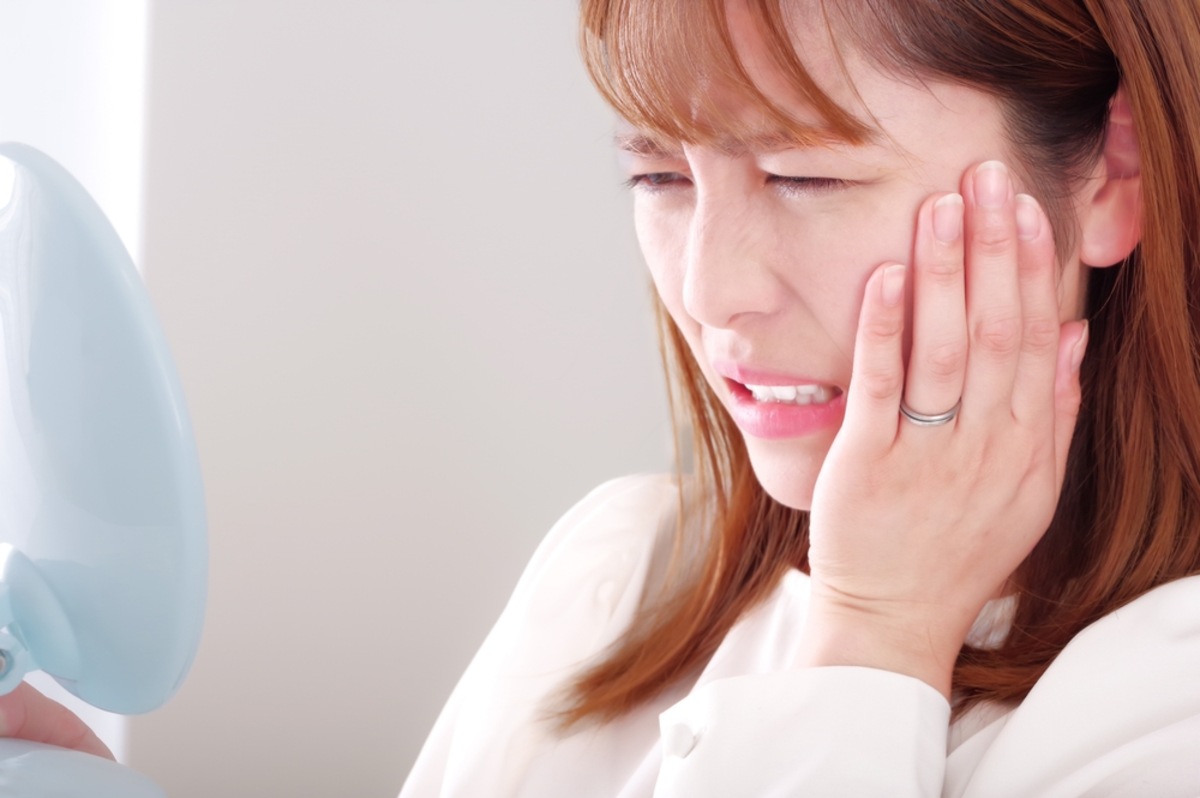
- The jaw hurts or feels tender.
- Sounds are produced when the mouth opens and closes.
- Difficulty in full mouth opening.
- Headaches.
- Pain or discomfort in the ear not due to an ear infection.
- Facial muscles are tired or sore.
- Suffering while chewing food.
These symptoms may come and go or worsen when feeling stressed.
How Does Teeth Grinding Affect TMJ?
Teeth grinding places extra pressure on the jaw joints and muscles.
Signs of grinding may include:
- Worn teeth
- Morning jaw soreness
- Frequent headaches
- Tight facial muscles
A dental clinic in Langley may evaluate whether nighttime grinding is contributing to TMJ symptoms.
When Should TMJ Symptoms Be Evaluated?
Occasional jaw discomfort may not always require treatment. However, ongoing symptoms should not be ignored.
Consider an evaluation of:
- Pain lasts several weeks.
- Jaw movement becomes limited.
- Clicking is accompanied by discomfort.
- Chewing becomes difficult
- Symptoms affect daily activities.
Early assessment at a dental clinic near you can help prevent worsening of symptoms over time.
How Is TMJ Diagnosed?
Normally, the first careful examination is performed of the jaw and surrounding muscles.
The assessment might encompass.
- Experiencing indicators.
- Observing jaw action.
- Bite Evaluation.
- Looking for signs of grinding
- X-rays will be taken if needed.
This information helps to select the best treatment.
What Treatment Options Are Available?
Treatment depends on the cause and severity of the condition.
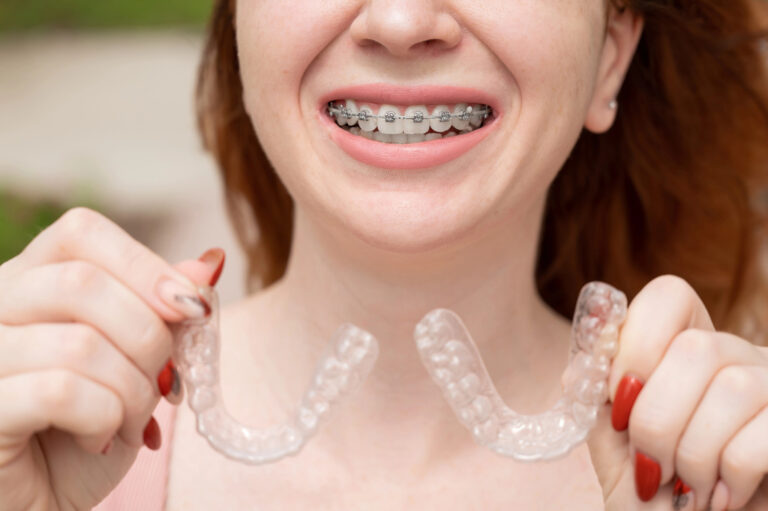
Custom Night Guards
Night guards help reduce pressure caused by teeth grinding and clenching.
Benefits include:
- Protecting teeth from wear
- Reducing muscle strain
- Improving jaw comfort
Bite Adjustments
In some situations, correcting bite issues may help reduce stress on the jaw joint.
Stress Management
Tension in the jaw muscles can cause problems; relaxation may help reduce them.
Take instance.
- Stretches activities
- Better sleep habits.
- Activities that relieve stress.
Physical Therapy Exercises
Exercises can improve jaw flexibility.
Lifestyle Changes
Simple adjustments often help manage discomfort.
Examples include:
- Avoiding hard foods
- Limiting gum chewing
- Applying warm compresses
- Practicing good posture
How Can a Dentist Help With TMJ Pain?
A dentist can identify potential causes of TMJ problems and recommend treatment based on individual needs.
If you are looking for TMJ treatment near you, a professional evaluation can help identify the cause of your jaw pain, as several different conditions can lead to similar symptoms.
Treatment focuses on improving comfort, protecting oral health, and supporting proper jaw function.
Can TMJ Problems Go Away on Their Own?
Certain lesser cases get better with adequate rest and lifestyle modifications.
Nevertheless, when symptoms linger, you may consider professional help.
- Pain persists for weeks.
- Jaw movement becomes restricted.
- Teeth grinding causes damage
- Daily activities are affected.
Ignoring symptoms may make the problem harder to manage later.
Take the First Step Toward Better Jaw Comfort and Function!
Jaw pain, clicking sounds, and tight jaw muscles can make eating, talking, and other daily activities uncomfortable. Finding the cause of your TMJ symptoms is an important step toward feeling better and improving jaw function. Book an appointment with Charisma Dental Studio today. The team can evaluate your symptoms, discuss treatment options, and help you work toward better jaw comfort and oral health.
FAQs
What are the symptoms of TMJ pain?
TMJ discomfort can manifest as pain, pressure, or tenderness in the jaw, face, and/or ears. Some individuals may also experience headaches or chewing pain.
Can stress worsen TMJ symptoms?
Indeed. Stress-induced clenching or tightening of the jaw muscles worsens TMJ symptoms.
Does a clicking noise in the jaw always indicate TMJ problems?
Not required. Certain individuals encounter a clicking sound without pain. However, if you notice clicking along with pain or restricted movement, you should get it checked out.
Can bruxism lead to TMJ problems?
Certainly, grinding or clenching can place additional pressure on the lower jaw joint and its muscles, leading to symptoms over time.